Razor-Back Engineer Hammer with Fiberglass Handle Review
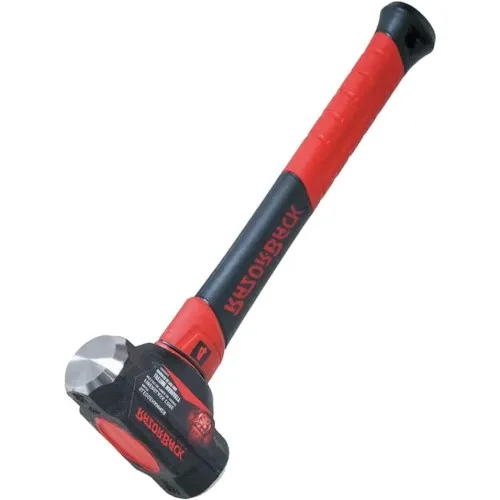
- Forged steel head for demolition, spikes and wedges
- Patented head-to-handle joint reinforced with a steel pin
- Compact 15" fiberglass handle with a textured grip
Opens Amazon.com · see today's price & availability
A short-handled #4 engineer hammer with a forged steel head and a pinned head-to-handle joint, aimed at demolition, spikes and wedges. Here's what to know.
Quick verdict
A loose or flying head is the main worry with any heavy hammer, and that is where the Razor-Back #4 Engineer Hammer stands out: its patented head-to-handle connection is reinforced with a steel pin. Add a forged steel head and a 15-inch textured fiberglass handle and you have a compact striking tool for demolition, spikes and wedges. We like it a lot for close-quarters striking work.
Pros and cons
What we like
- Steel pin reinforces the head-to-handle connection for safety
- Forged steel head built for heavy hammering and demolition
- 15-inch handle stays controllable in tight spaces
- Fiberglass handle won't swell, shrink or rot
- Textured grip for a surer hold when hands get sweaty
What could be better
- Head weight isn't listed in the product details
- Short handle delivers less swing power than a long-handled sledge
- A striking tool only: too heavy for nails or finish work
Key features, explained
Pinned head-to-handle connection
The detail that sets this hammer apart is its patented head-to-handle connection, reinforced with a steel pin. On a heavy striking tool, the joint between head and handle takes a beating with every blow, and a head that works loose is a genuine hazard. Razor-Back adds the pin specifically for improved safety. It is the sort of feature you never notice day to day, which is exactly the point.
Forged steel engineer head
The head is forged steel with flat striking faces, in the double-faced shape typical of engineer hammers. Forging is the standard for striking tools because it produces a dense, tough head that copes with repeated impact. Its #4 label is the size designation. Razor-Back pitches the hammer at heavy hammering and demolition work, which is where a mid-size head earns its keep.
15-inch fiberglass handle and textured grip
At 15 inches, the handle is short enough to use one-handed for controlled blows or two-handed when you need more drive. Fiberglass does not take on moisture, so the handle will not swell, shrink or rot in a damp toolbox or on an outdoor site. The grip is textured, and in the product photo it is a molded red-and-black sleeve with a collar where the handle meets the head, which helps keep your hold steady when you are tired or sweaty.
Built for spikes, wedges and demolition
The manufacturer names demolition work and driving spikes or wedges as the hammer's core jobs, and calls it a great choice for outdoor professionals. That covers knocking framing apart, driving stakes and landscape spikes, setting splitting wedges and striking cold chisels or punches. Always wear eye protection, hit squarely and avoid striking another hardened hammer face, since hardened steel on hardened steel can chip.
Razor-Back Engineer Hammer specs
| Brand | Razor-Back |
|---|---|
| Model | 3111000 (#4) |
| Type | Engineer hammer |
| Head | Forged steel, flat faces |
| Handle | 15" fiberglass |
| Grip | Textured |
| Head-to-handle joint | Patented, reinforced with steel pin |
| Intended uses | Demolition, driving spikes and wedges |
| Prices change often. See the live price: Check Price | |
Who should buy it?
Great for
- Demolition and tear-out work in tight spaces
- Driving stakes, spikes and splitting wedges
- Outdoor pros who want a weatherproof, pinned-head hammer
Skip it if
- You need maximum swing power for big stakes or breaking concrete
- You want a hammer for nails or general carpentry
- You only need a light hammer for household tapping
Frequently asked questions
What is an engineer hammer used for?
Heavy striking jobs that need more mass than a claw hammer but more control than a long sledge: demolition, driving spikes and stakes, setting wedges and striking chisels or punches.
How long is the Razor-Back engineer hammer handle?
The fiberglass handle is 15 inches long, which allows one-handed control or a short two-handed swing.
What does the steel pin in the head do?
It reinforces the patented head-to-handle connection. The pin helps keep the head locked to the handle under repeated heavy blows, which Razor-Back says improves safety.
Why choose a fiberglass handle on a striking hammer?
Fiberglass does not absorb moisture, so the handle will not swell, shrink or rot when the hammer lives in a damp toolbox or on an outdoor site. That stability suits a tool aimed at outdoor professionals.
Is it safe to strike a chisel or wedge with it?
Yes, driving wedges is one of its intended jobs. Wear eye protection, strike squarely, and replace chisels or wedges with mushroomed heads, since loose fragments can fly off on impact.
Final verdict
The Razor-Back Engineer Hammer with Fiberglass Handle combines a forged steel head with the feature that matters most on a heavy hammer: a patented head connection reinforced with a steel pin. The 15-inch fiberglass handle keeps it compact, weatherproof and controllable. For demolition, spikes and wedges, it is a well-built, safety-minded choice we'd happily recommend.
Check PriceOpens Amazon.com · see today's price & availability
